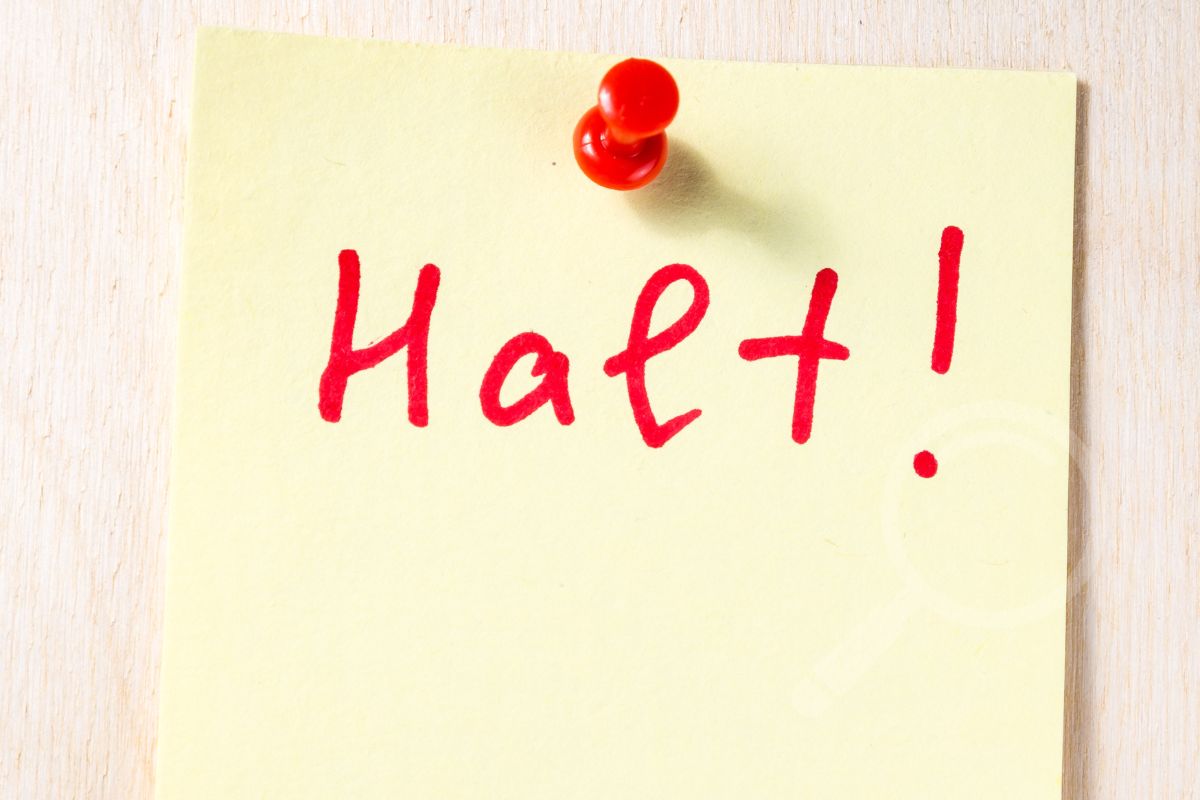
For anyone in recovery, the fear of relapse is real and ever-present. Sobriety isn’t just about avoiding substances; it’s about learning to manage life’s normal ups and downs without turning to old coping mechanisms. That’s where HALT comes in.
HALT is a simple, powerful acronym that serves as a first line of defense against relapse. It’s an easy way to check in with yourself and identify common internal states that make you vulnerable to triggers and cravings. Originally rooted in 12-Step programs like Alcoholics Anonymous, HALT stands for: Hungry, Angry, Lonely, Tired.
When you feel restless, irritable, or discontent, the first step is always to HALT and ask yourself: Am I Hungry, Angry, Lonely, or Tired?
H is for Hungry
When your blood sugar drops, your mood and judgment plummet right along with it. Cravings for drugs or alcohol are often misread signals your brain sends when it needs immediate energy. A state of physical depletion can mimic the feeling of anxiety or stress, making your emotional reserves dangerously low.
- Action: Don’t overthink it. Have a small, balanced snack that includes protein, fiber, or healthy fat (like nuts, cheese, or fruit). Keeping emergency snacks on hand is a critical, simple recovery tool.
A is for Angry
Anger—or any intense negative emotion like resentment, frustration, or fear—creates a powerful internal disturbance. If you don’t have healthy methods to process this energy, the urge to numb it with a substance becomes overwhelming. Anger often stems from unresolved conflicts, perceived injustices, or unmet expectations.
- Action: Step back. Don’t act impulsively. Use an immediate coping skill: call your sponsor, write down the source of your anger, take a brisk walk, or practice box breathing to regulate your nervous system. Remember that anger is temporary; relapse is not.
L is for Lonely
Addiction thrives in isolation. When you feel cut off from others, unloved, or unable to connect, the voice telling you to seek escape grows louder. Loneliness isn’t always about being physically alone; it can be about feeling disconnected while in a crowd. Recovery is built on connection, community, and transparency.
- Action: Reach out! This is the most crucial action. Immediately call someone in your support network, attend a meeting (in-person or online), or check in with your sponsor. Get into the middle of the herd—that’s where the safety is. FindRecovery.com has meeting lists for immediate access.
T is for Tired
Physical and mental exhaustion severely compromises your ability to make rational decisions and fight cravings. In recovery, fatigue is often a direct result of “doing too much” too soon, or simply not prioritizing restorative sleep. When you are tired, your emotional defenses are down, making you susceptible to the “easier, softer way” of using.
- Action: Give yourself permission to rest. This might mean cancelling a non-essential commitment, taking a nap, or just sitting quietly for 15 minutes. Establishing a consistent, sober bedtime routine is one of the most powerful relapse prevention strategies you can build.
Making HALT a Habit
HALT isn’t a cure, but it is a powerful diagnostic tool. It forces you to pause and address an immediate physical or emotional need before that need spirals into a craving and potentially a relapse. Making HALT a habit creates a vital space between the feeling and the reaction. Keep the acronym posted where you will see it often—on your mirror, in your car, or as a phone screensaver—and practice it diligently, especially on your “good days.” Your sobriety depends on noticing the simple things before they become overwhelming.
